
URNA
EDO
HOTEL
Concept
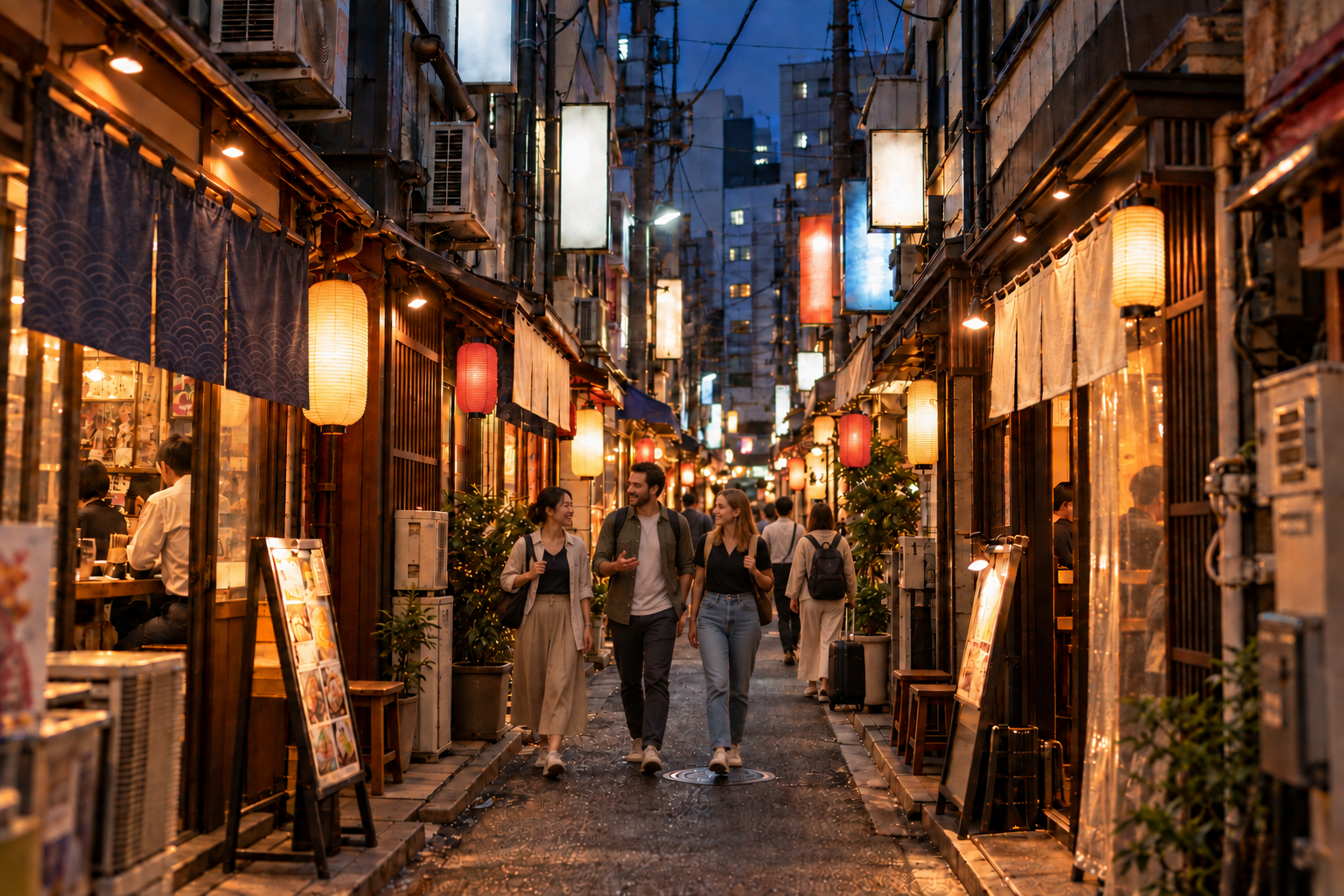
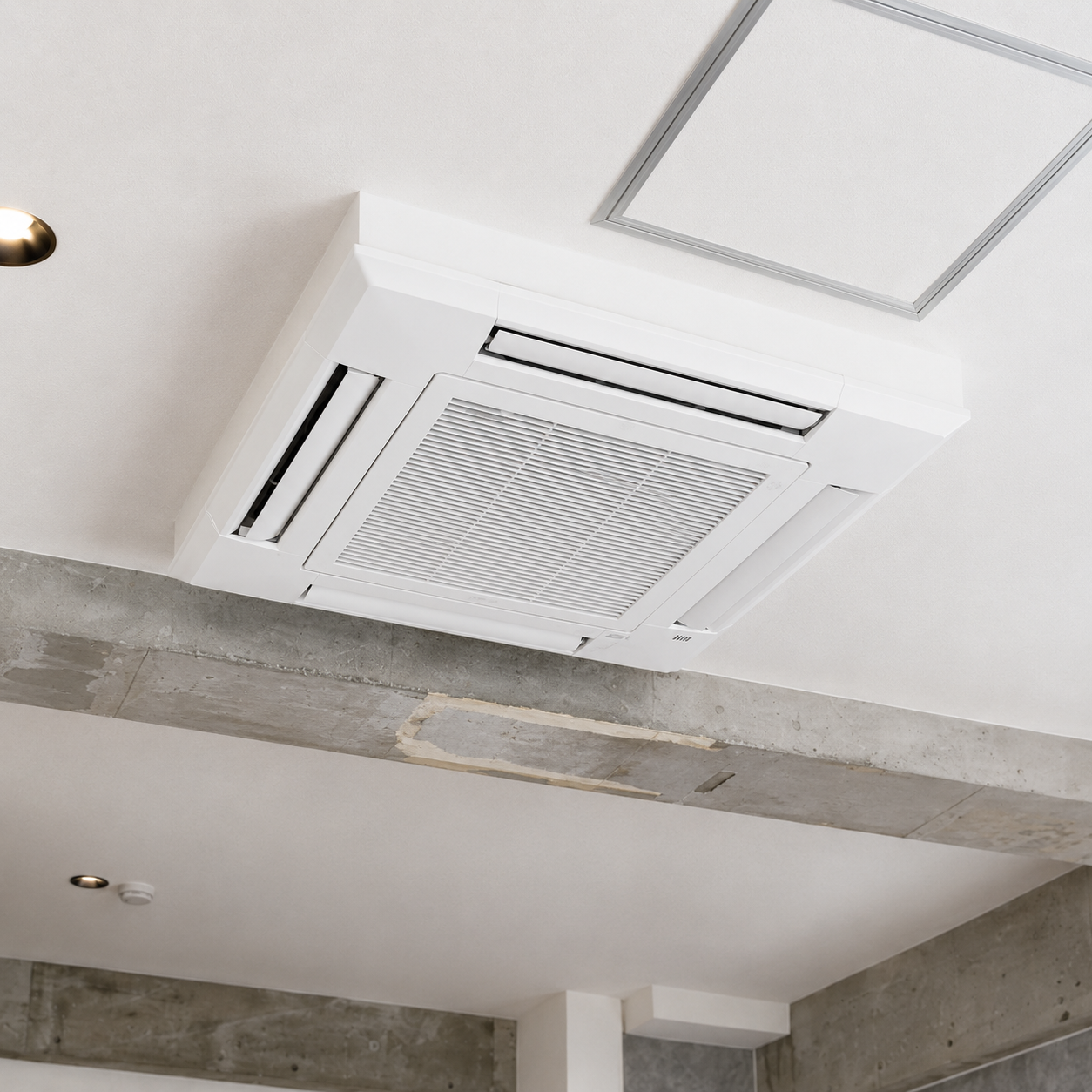
*The photo is for illustrative purposes only.
Live like a local in the heart of old Tokyo.
Ryogoku is a neighborhood where sumo and Edo culture are still part of daily life. The Kokugikan arena and the area’s museums are all within easy walking distance.
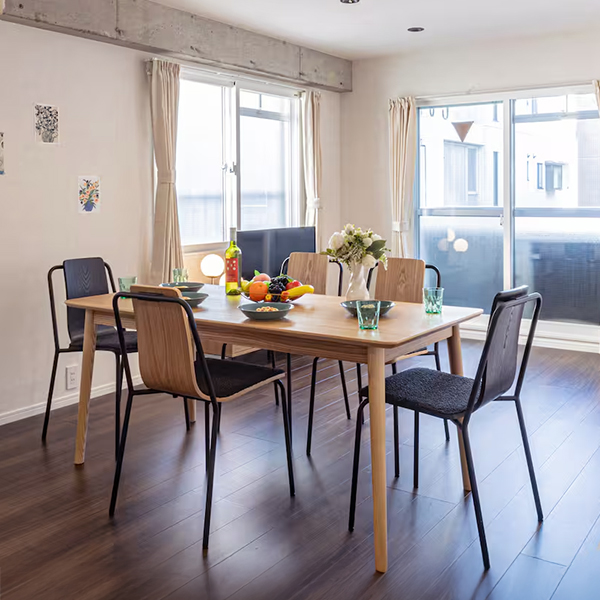
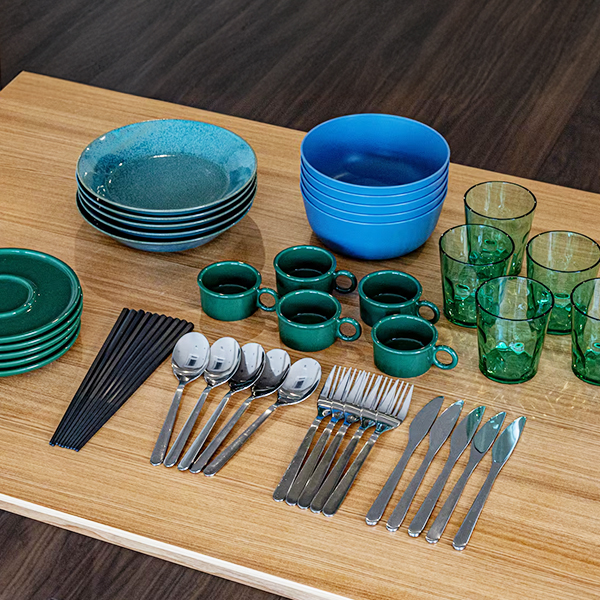
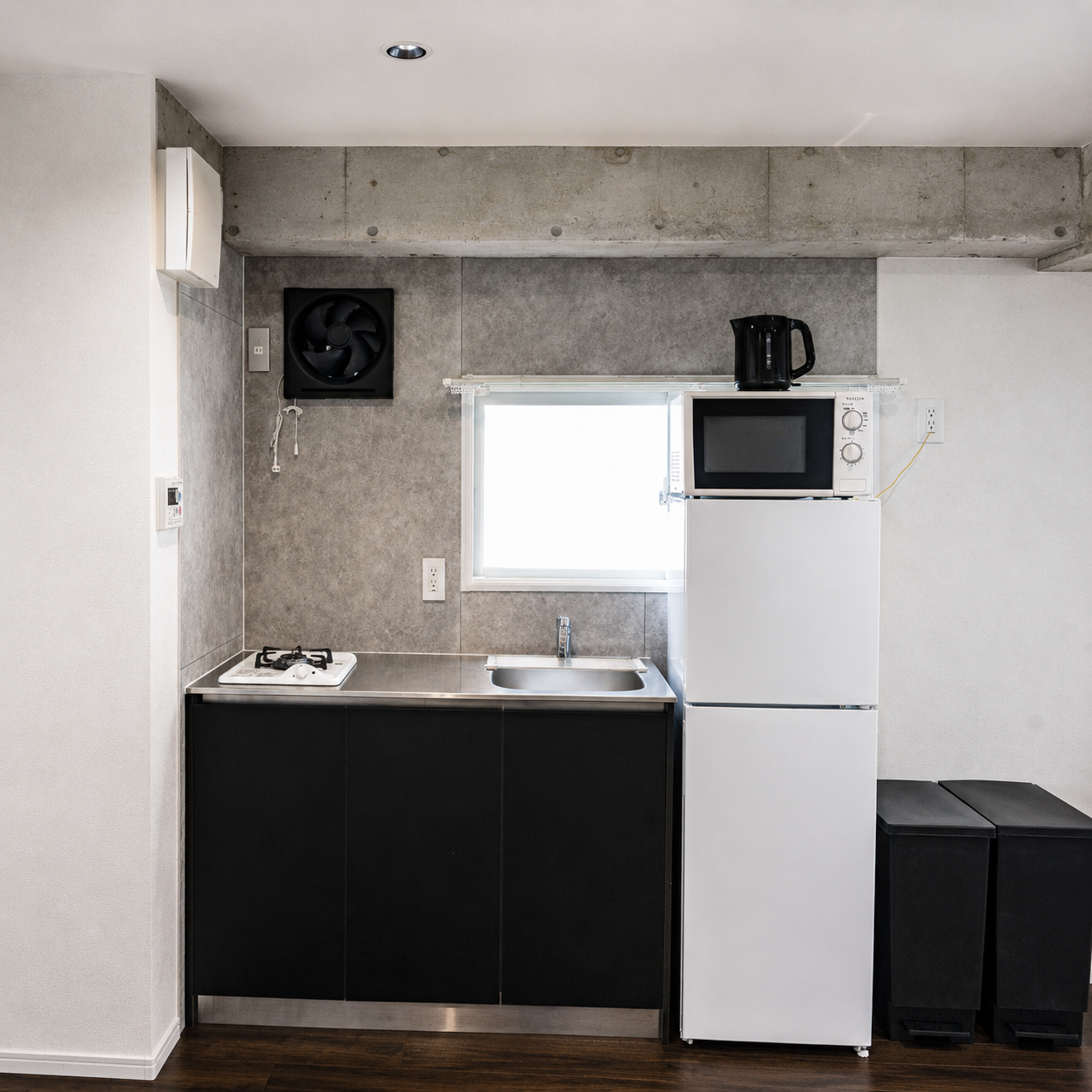
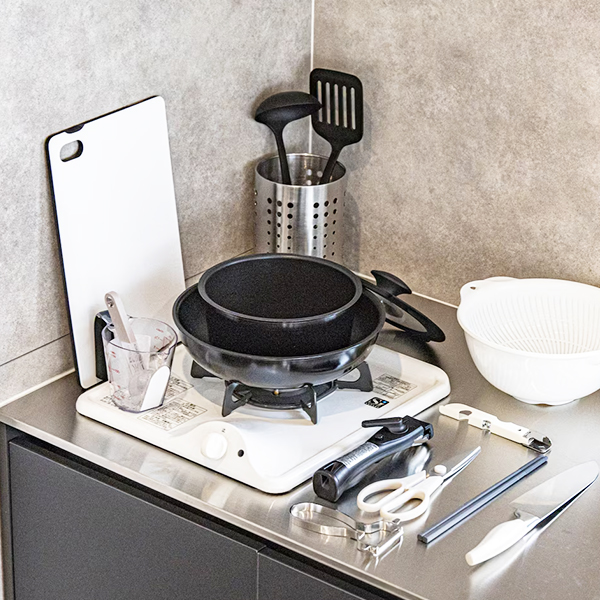
Our 40-square-meter studio is yours alone — a private space for up to five guests. With a fully equipped kitchen, it’s the perfect place to gather in the evening around the flavors you discovered out in the neighborhood.
Our Rooms
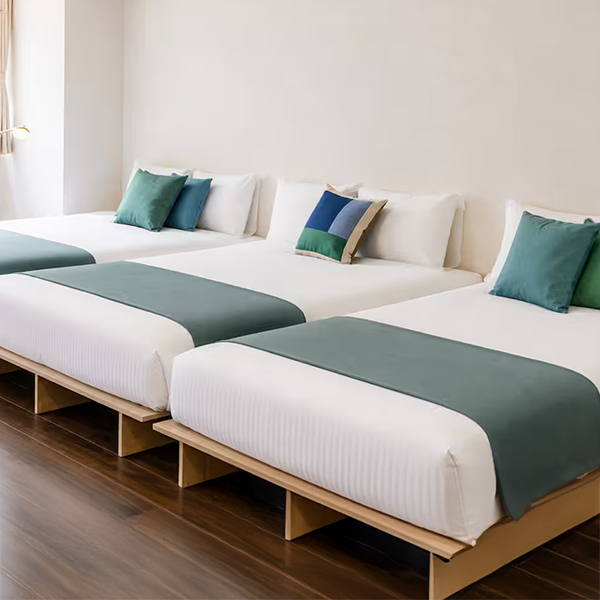
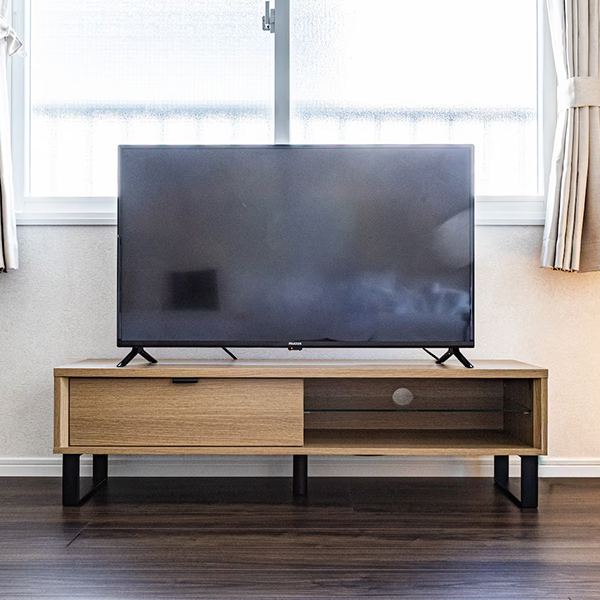
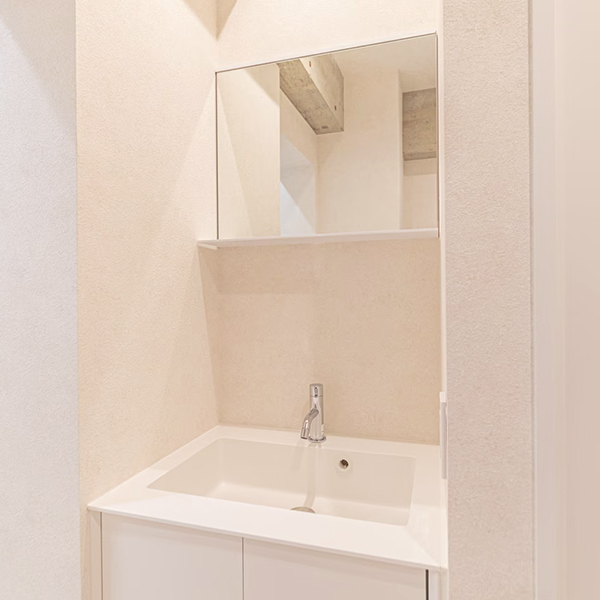
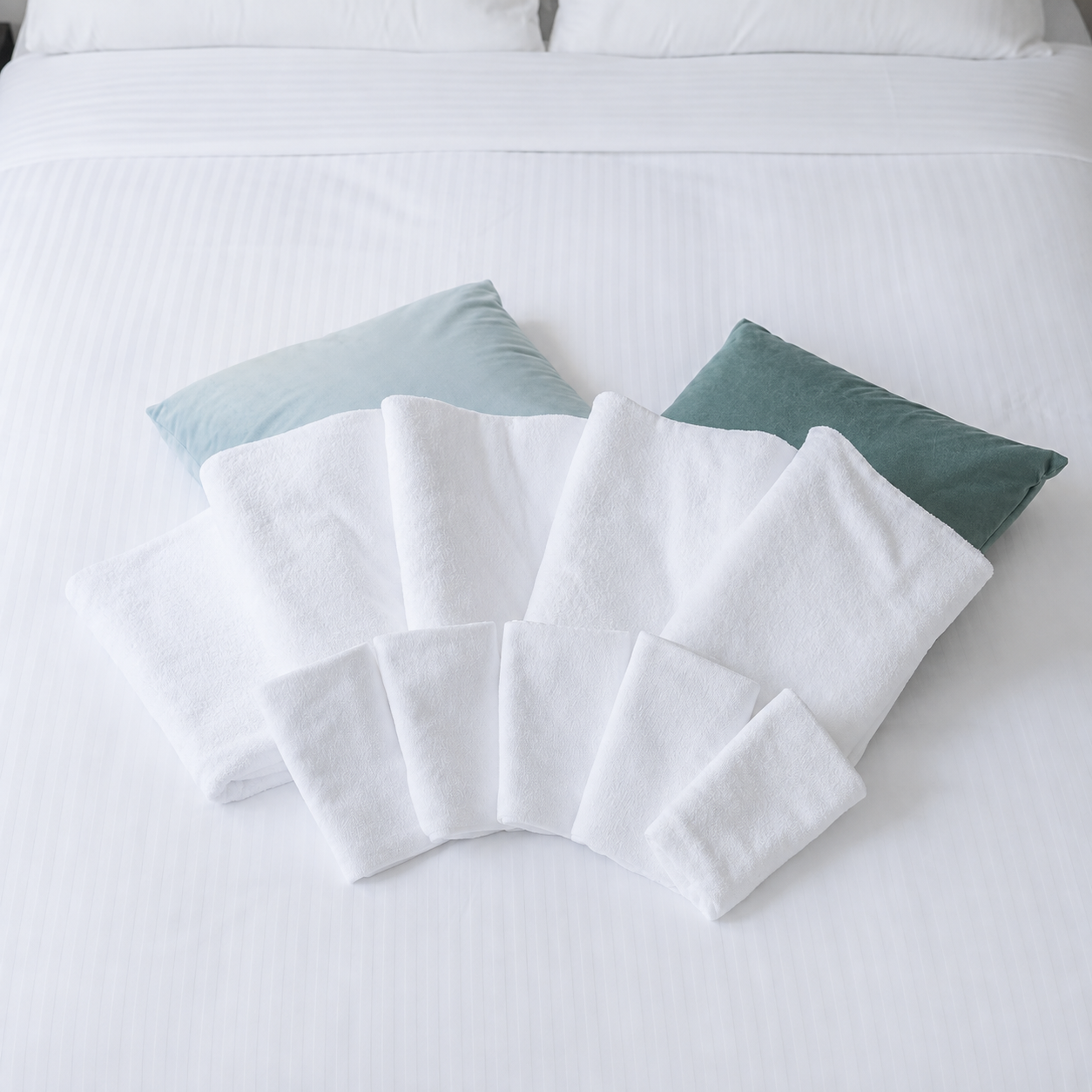
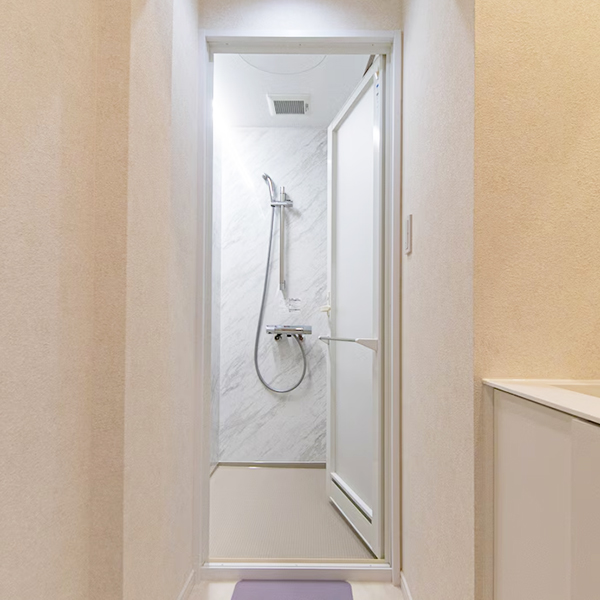
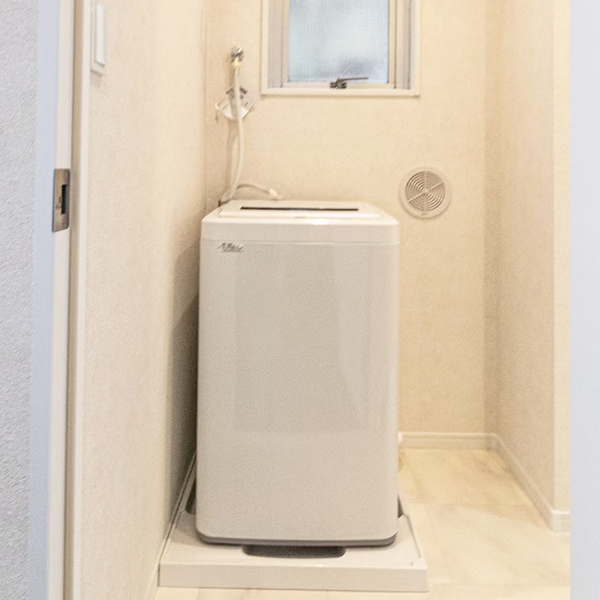
One open room, free of partitions and generous with space. Room enough to spend unhurried time with the people who matter most.
Reservation
Enjoy a moment of relaxation in Ryogoku.
You can book your stay through your preferred booking site.
Tourism Information
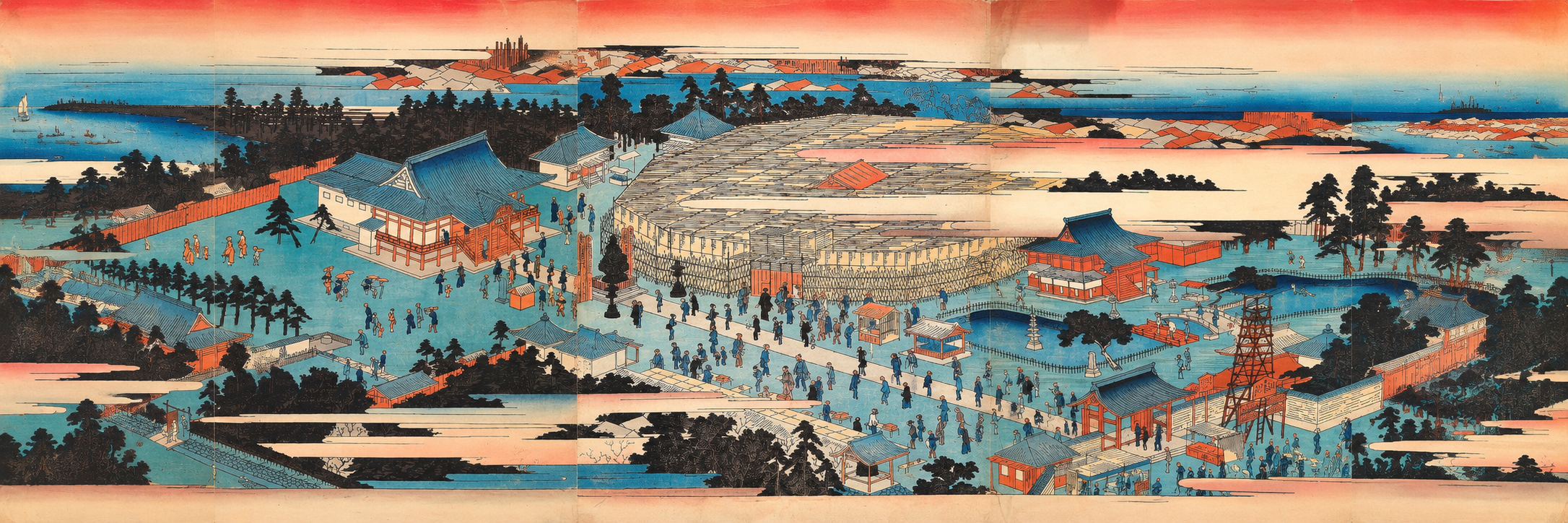
In Ryogoku, the neighborhood itself is your gateway to Edo. Step outside and follow centuries of history on foot.
01 TOURISM
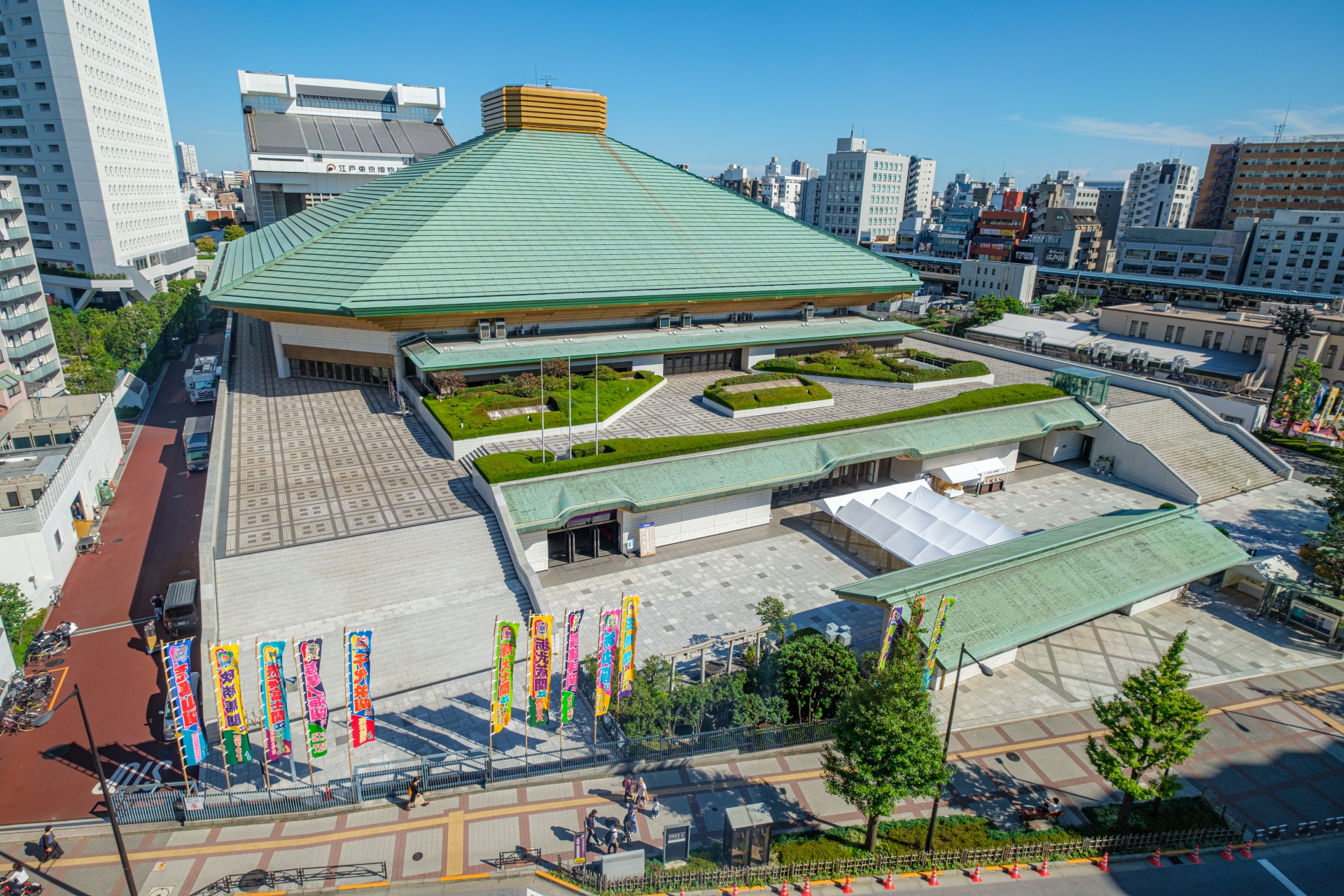
Ryogoku Kokugikan
Rising at the heart of the neighborhood, Ryogoku Kokugikan is the spiritual home of sumo — the arena that hosts three of the six Grand Sumo tournaments each year, in January, May, and September. Beneath its distinctive green roof, the hall seats around 10,000 spectators. From the masu-seki box seats that ring the dohyo, you sit close enough to hear the wrestlers collide and the call of the gyoji, or referee, carrying across the arena. Part of the experience is eating as you watch: the yakitori grilled in the arena’s own basement kitchen and the rikishi bento named for individual wrestlers are both tournament favorites. Outside of tournament season, the Kokugikan also hosts concerts and combat sports events, keeping it lively year-round.
02 TOURISM
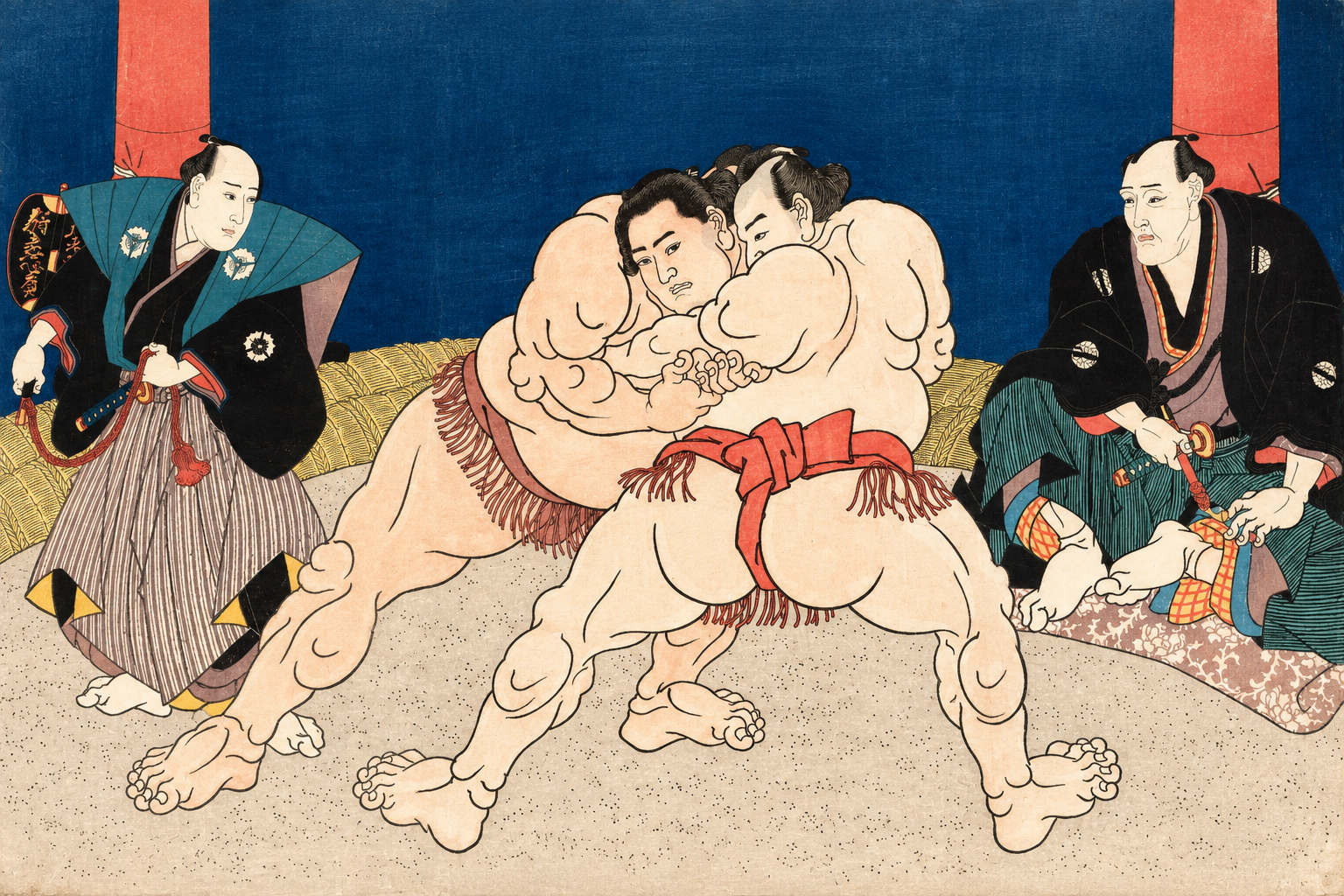
Sumo Museum
The Sumo Museum, on the first floor of the Ryogoku Kokugikan, is devoted entirely to the sport. Since opening in 1954, it has collected and preserved a wealth of sumo material — woodblock prints, banzuke ranking sheets, and the kesho-mawashi ceremonial aprons worn by celebrated wrestlers. Richly embroidered, each apron reflects the character of the wrestler it was made for. With just one exhibition room, the museum rotates its displays around a new theme three times a year, so there is always something new to see. It is a rare chance to trace the history of Japan’s national sport, handed down since the Edo period, at close range. Admission is free (an arena ticket is required during the Tokyo Grand Sumo tournaments).
03 TOURISM
Edo-Tokyo Museum
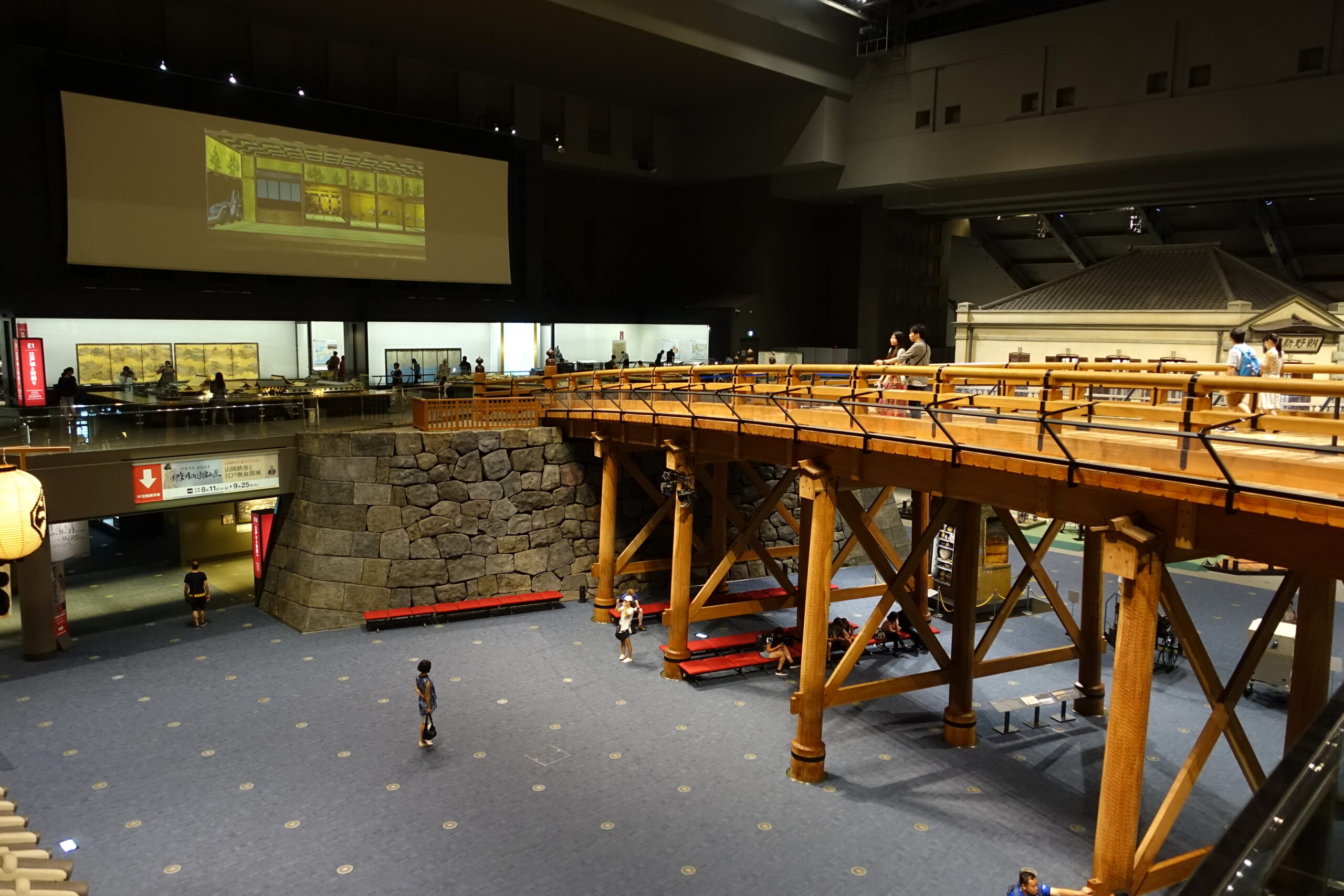
The Edo-Tokyo Museum traces some 400 years of history and culture, from the Edo period through to the Tokyo of today. In March 2026 it reopened after roughly four years of major renovation work. Step into the permanent exhibition and the first thing to greet you is a full-scale reconstruction of Nihonbashi Bridge. Cross it and you come to the Nakamuraza kabuki theater and the nagaya row houses where ordinary townspeople once lived — buildings you can walk right into to get a feel for daily life in old Edo. With the Edo sky projected on screens overhead, it is a chance to wander through an entire townscape that has long since vanished.
04 TOURISM
The Japanese Sword Museum
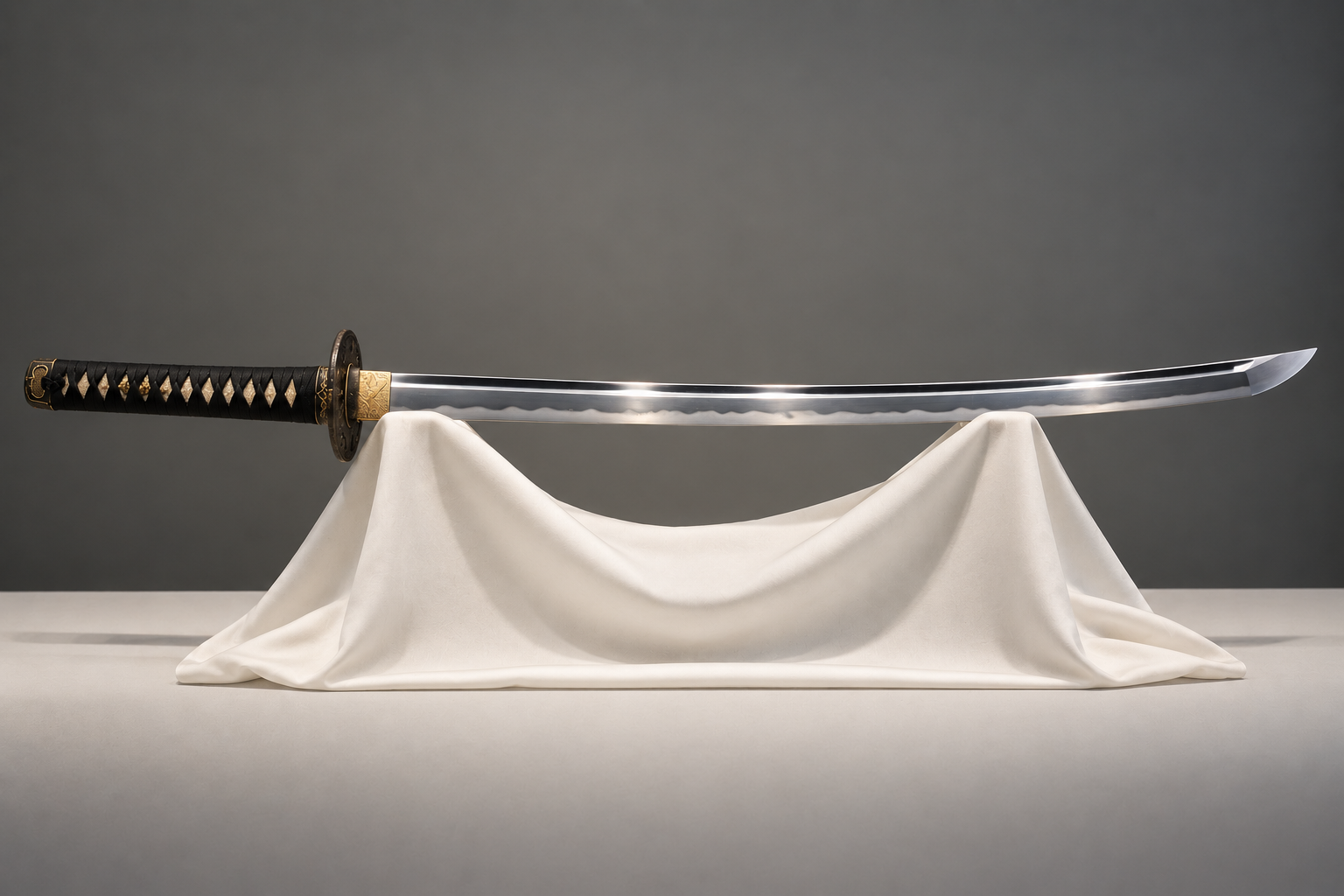
The Japanese Sword Museum is one of the few museums in the country devoted entirely to the Japanese sword. Its collection spans the Heian period to the present day, including a tachi designated a National Treasure, along with sword fittings and suits of armor. The pale wavelike pattern along the blade — the hamon, or temper line — and the spare, purposeful shape of the sword itself make these far more than weapons: they are works of art in their own right. The exhibition room is on the third floor, and between viewings you can look out through the large windows over the greenery of Kyu-Yasuda Garden next door. In these quiet rooms, you can take your time with the craftsmanship and spirit that go into a Japanese sword.
05 TOURISM
The Sumida Hokusai Museum
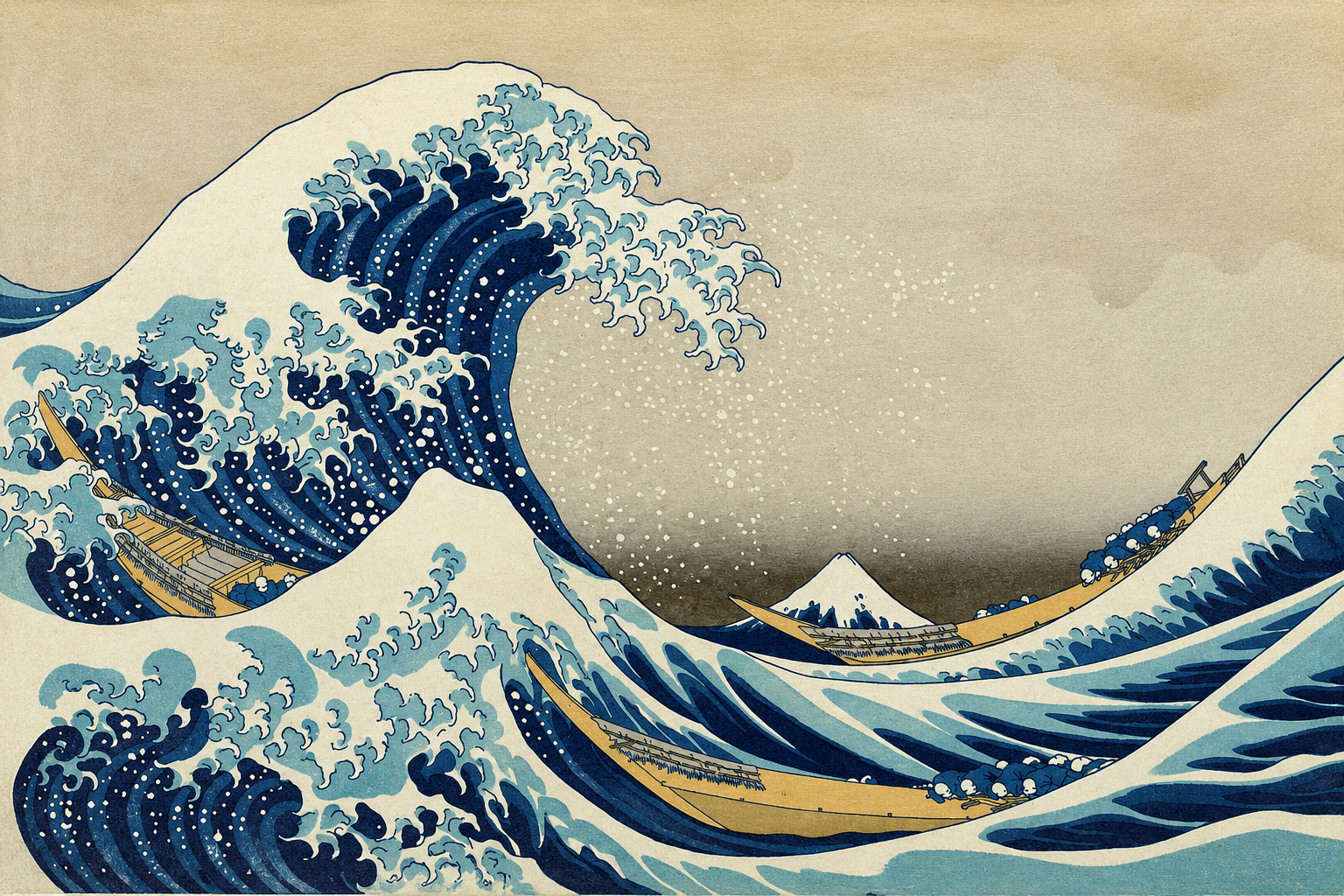
The Sumida Hokusai Museum is devoted to Katsushika Hokusai, the ukiyo-e master who was born in Sumida and spent nearly his whole life here. Works loved around the world are on display, among them “Thirty-Six Views of Mount Fuji” — the series that includes “Under the Wave off Kanagawa,” with its towering wave and distant Mount Fuji — and touch-panel screens let you zoom in on the finest details. A life-size recreation of Hokusai at work alongside his daughter brings the scene so close that you feel you are looking into the studio itself. The silver exterior, designed by architect Kazuyo Sejima, is a work of art in its own right, making this a museum where the building is as rewarding as the collection.
06 TOURISM
Ryogoku Edo NOREN
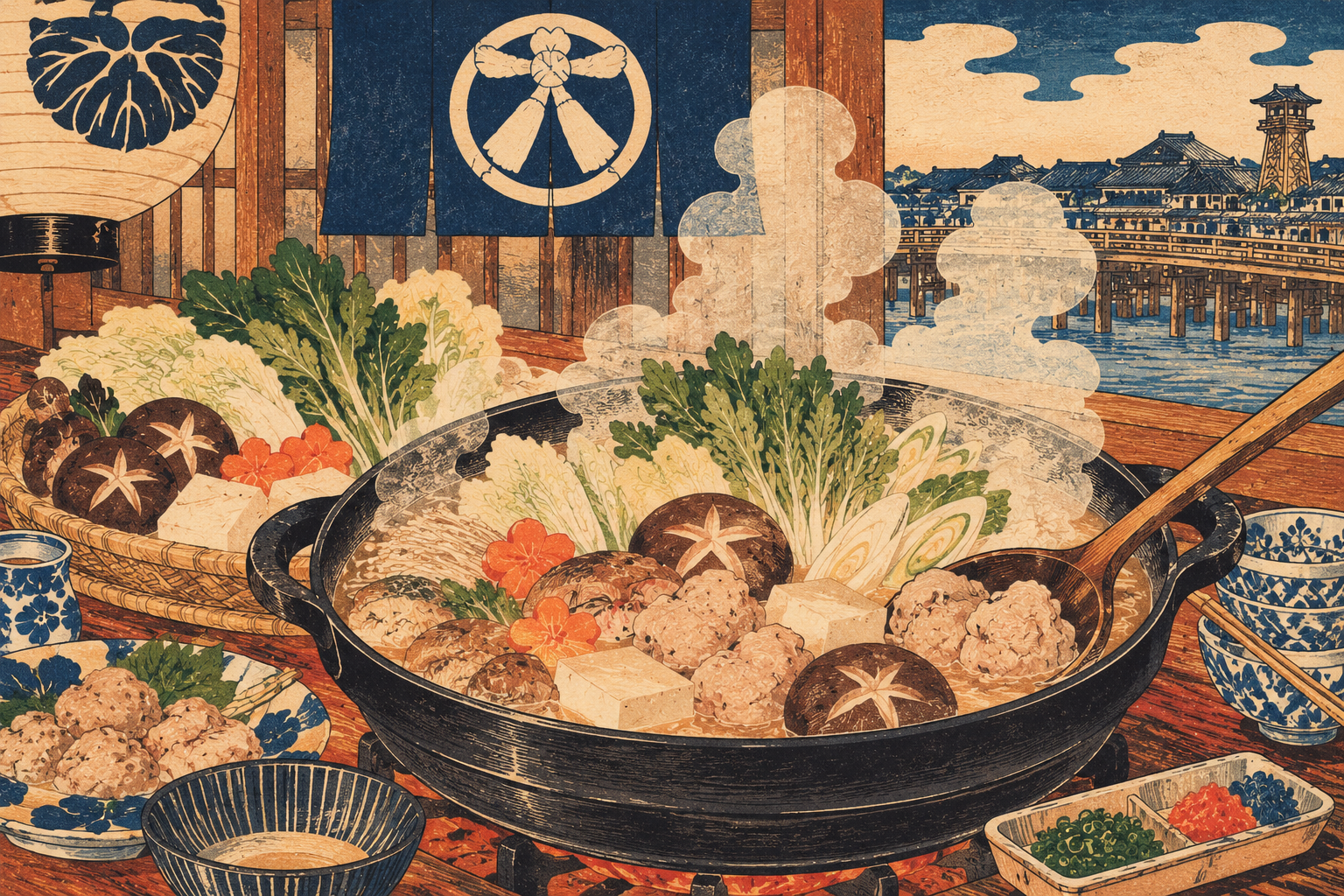
Connected directly to JR Ryogoku Station, Ryogoku Edo NOREN is a complex of Japanese restaurants built around the food culture of old Edo. It occupies the former station building of 1929, and stepping inside you find an open atrium styled after an Edo townscape, with a full-size dohyo at its center, built under the supervision of the Japan Sumo Association. Lined up around it are specialty restaurants serving chanko nabe, sushi, soba, and monjayaki. The tourist information center inside can also help you plan a walk around the neighborhood, which makes this a natural place to stop at either the beginning or the end of your day.
Access
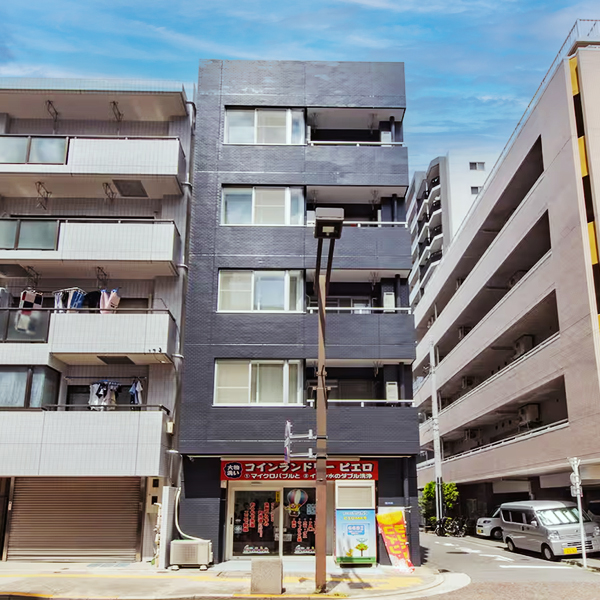
2-6-9 Ryogoku, Sumida-ku, Tokyo 130-0026
An 8-minute walk from the West Exit of Ryogoku Station on the JR Chuo-Sobu Line